|
 ahyx@ahyx158.com

| Membrane structure for transportation facilities |
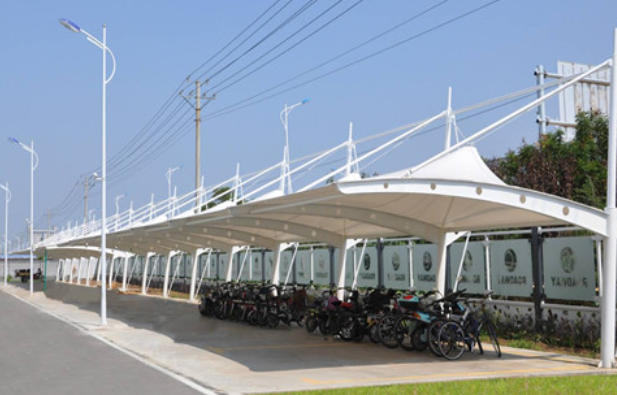 |
Transportation Facility Membrane Structures Transportation facility membrane structures are sun and rain shelters made of high-strength membrane materials combined with steel frames or cables. They are widely used in airports, stations, and parking sheds, being both lightweight and aesthetically pleasing. Main Applications • Large Transportation Hubs: Airport terminals, train station platforms, and high-speed rail station canopies, covering large areas with minimal need for support columns. • Urban Public Transport: Bus stops, subway entrances, and bicycle parking sheds, some equipped with automatic retractable features that deploy in rainy weather. • Parking and Toll Facilities: Private car shelters, EV charging station canopies, and highway toll booths and service areas. Key Advantages • Lightweight Yet Durable: Extremely light, weighing only a fraction of traditional steel structures, yet resistant to strong winds and earthquakes, enabling large-span spaces without central columns. • Durable and Low-Maintenance: Smooth membrane surfaces are easily cleaned by rainwater, resist dust accumulation, and require minimal upkeep. • Translucent and Energy-Efficient: Allows natural daylight to reduce lighting needs during the day, while illuminated membranes create visually appealing effects at night, saving energy costs. • Design Flexibility: Can be shaped into various curves and artistic forms, enhancing urban aesthetics. |

|


- Consultation
-

Scan The Qr Code To
Chat Online
| Submit Feedback |